[MS DON'T TOUCH] Everything You Need to Know About Acne
![[MS DON'T TOUCH] Everything You Need to Know About Acne](https://www.etatpur.sg/media/mageplaza/blog/post/k/n/know_about_acne.png)
Acne is a common skin issue that affects people of all ages and can vary in severity. In this article, we’ll explore what acne is, where it appears, who it affects, the different types and causes, as well as how to prevent it and accompany acne-prone skins.
What is Acne?
Acne is a chronic inflammatory skin concern that is caused by several factors: increased sebum secretion, hyperkeratinization, so the pores become clogged with sebum and dead cells, and inflammation sets in. It creates a favorable environment for the appearance of pimples, blackheads, whiteheads, and sometimes cysts or nodules. It’s most common during puberty but can occur at any age.
Where Does Acne Appear?
Acne mainly affects the face, which is the most exposed area and rich in sebaceous (oil) glands. However, it can also appear on the back and neck, and less frequently on the chest and shoulders.
Who Can Get Acne?
Acne can affect individuals at virtually any stage of life. The condition manifests differently depending on age and underlying causes, including hormonal activity, genetics, and environmental factors. Here’s a detailed overview of the different forms of acne by age group:
Neonatal Acne (0 to 3 months)
Also known as “newborn acne,” this form affects approximately 1% of infants(1). It usually appears within the first few weeks of life, when the baby is still under the hormonal influence of the mother, and is characterized by small red or white bumps, primarily on the cheeks, nose, and forehead. It is considered harmless and typically resolves on its own without treatment.
(1)Quazi S, Choudhary S, Singh A, Madke B, Khan K, Singh S. A cross-sectional study on the prevalence and determinants of various neonatal dermatoses. J Family Med Prim Care. 2023 Nov;12(11):2942-2949. doi: 10.4103/jfmpc.jfmpc_513_23. Epub 2023 Nov 21. PMID: 38186839; PMCID: PMC10771189.
Infantile Acne (3 to 12 months)
Less common than neonatal acne, infantile acne is thought to be linked to temporary hormonal imbalances. It may present with more developed lesions such as papules, pustules, or even comedones (blackheads/whiteheads). Although it often resolves spontaneously, persistent or severe cases may require a dermatologist’s assessment.
Teenage Acne (from puberty to 18 years)
This is the most common form of acne and is closely tied to puberty and the surge in androgen hormones. It affects approximately 80% of adolescents to varying degrees(2). Lesions can range from mild comedonal acne to more severe inflammatory forms with nodules and cysts.
(2) Source : The Harley St Dermatology Clinic – Londres : https://www.theharleystreetdermatologyclinic.co.uk/why-do-some-teenagers-get-acne-and-some-dont/
Adult Acne (18+ years)
41% of the population is affected by adult acne(3). Adult acne affects both men and women, though it is more prevalent in women due to hormonal fluctuations related to the menstrual cycle, pregnancy, contraceptives, or polycystic ovary syndrome (PCOS). It often appears on the lower face, jawline, neck, and chin, and may persist or reappear even after years of clear skin.
(3) Poli F, Dreno B, Verschoore M. An epidemiological study of acne in female adults: results of a survey conducted in France. J Eur Acad Dermatol Venereol. 2001 Nov
Retentional vs Inflammatory Acne : How to Tell the Difference ?
Understanding the distinction beetween retentional and inflammatory acne is key to identifying the severity of your skin condition choosing the right approach.
What Are the Symptoms of Retentional Acne?
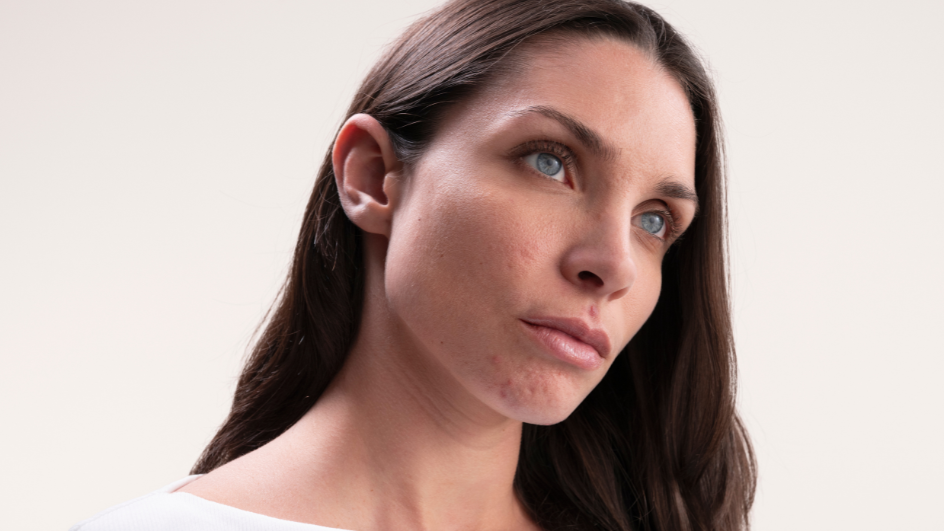
Retentional acne is the earliest and mildest stage of acne. It results from the obstruction of hair follicles due to excess sebum and the accumulation of dead skin cells. This blockage leads to two types of comedones:
Open comedones (blackheads)
These appear as small dark spots on the skin, usually on the forehead, nose, and chin. The dark color is not dirt, but oxidized sebum exposed to air: the sebum lipids become thicker and blacker.
Closed comedones (microcysts or whiteheads)
These are small, flesh-colored or white bumps under the skin, typically on the cheeks or jawline. They remain closed at the surface and can be harder to detect initially.
There is no visible redness or swelling, and because inflammation hasn’t set in yet, early targeting can help prevent progression to more severe forms.
What Is Inflammatory Acne?
Inflammatory acne occurs when retentional acne becomes aggravated by bacterial growth inside clogged pores. This triggers an inflammatory reaction that leads to redness and swelling. It is typically more painful and can involve deeper skin layers.
Common signs of inflammatory acne include:
- Papules: Small, red, tender bumps without a visible head.
- Pustules: Red bumps with a white or yellow center filled with pus.
- Nodules and cysts (in more severe cases): Large, painful, deep lesions that often result in scarring.
Because of inflammation, this type of acne is more likely to cause post-inflammatory hyperpigmentation or permanent scars if not managed properly.
How to Recognize Different Types of Acne?
Acne can appear in various forms, and its severity is determined by the number, depth, and type of lesions. Knowing how to recognize the different types helps in choosing the most effective solutions and understanding when seeking medical advice. Here's a complete guide to identifying acne types, from the mildest to the most severe.
Mild Acne
Mild acne is the least serious form. It primarily involves retentional lesions, meaning pores that are clogged with oil and dead skin but are not yet inflamed. Mild acne is often painless, does not involve redness or swelling, and is usually seen on the forehead, nose, and chin. Some factors can worsen mild acne:
- The use of comedogenic (pore-clogging) skincare or makeup products.
- Compulsive picking or scratching, often leading to scabs and scars.
- Friction, pressure, or sweat-common in athletes or from wearing tight clothing or helmets.
Moderate Acne
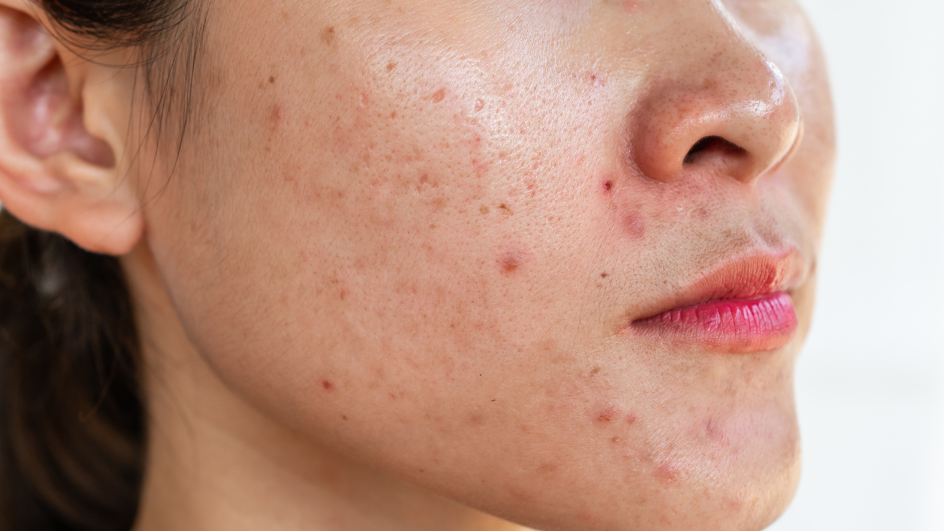
Moderate acne involves both retentional lesions (blackheads and whiteheads) and inflammatory lesions, meaning the blocked pores have become infected or irritated. These lesions are more visible, can be painful, and typically appear on the face, back, shoulders, and chest. Moderate acne often requires medical advice, resulting in topical treatment prescription, combined with an appropriate skincare recommendation.
Severe or Very Severe Acne
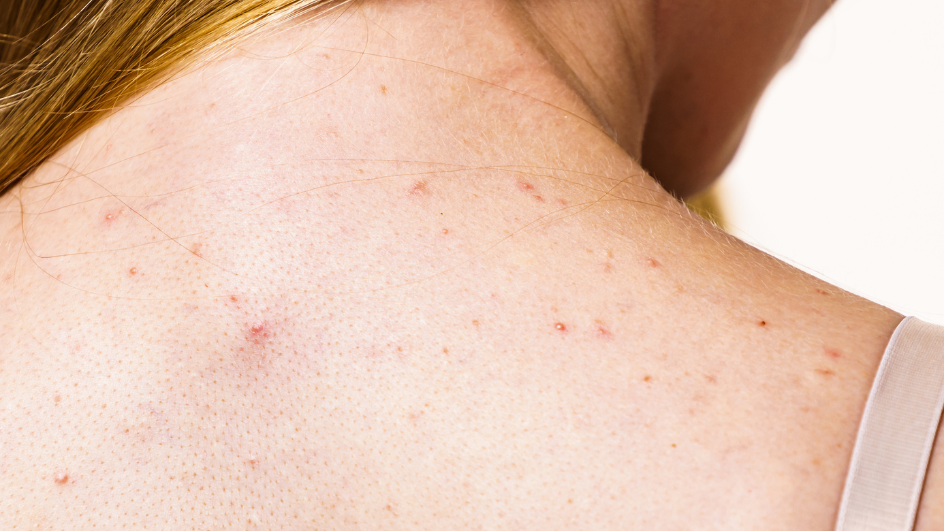
Severe acne goes deeper into the skin and includes large, painful, inflamed lesions. This form is more likely to leave permanent scars and requires a medical advice that will determine the treatment - topical or systemic - and appropriate skincare routine. Severe acne is more widespread and may affect not only the face but also the chest, upper back, and shoulders.
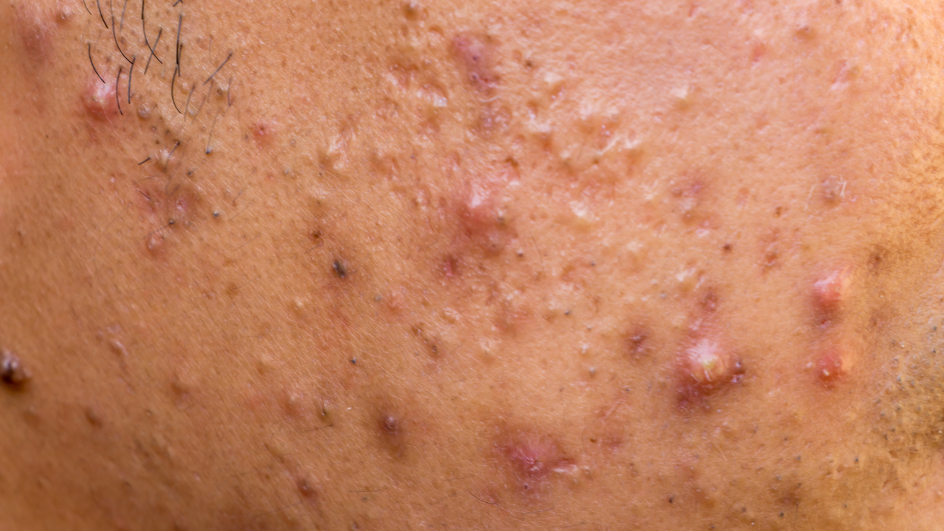
Cystic Acne
This is the most painful and deep form of acne. It involves large, fluid-filled cysts under the skin that can last for weeks and almost always lead to scaring if untreated.
Acne Conglobata
A rare and very severe form of acne characterized by interconnected nodules, abscesses, and draining lesions. It often leaves deep scars and is more common in young adult males.
Acne Fulminans
A sudden and explosive form of acne, typically accompanied by fever, fatigue, muscle pain, and ulcerated lesions. It’s considered a medical emergency and requires immediate professional care.
What Causes Acne?
Acne is a complex skin condition that results from a combination of internal (endogenous) and external (exogenous) factors. These factors disrupt the skin’s natural balance and can lead to clogged pores, inflammation, and bacterial growth.
Hormonal Factors
One of the most common root causes of acne is hormonal activity, especially during puberty, menstruation, pregnancy, or times of high stress. Androgens, a type of hormone (present in both males and females), increase the size and activity of sebaceous glands, leading to excess sebum production. This excess oil, combined with dead skin cells, can block pores and create a favorable environment for bacteria to grow, causing inflammation and breakouts.
Other Internal (Endogenous) Causes
These are factors that come from within the body and can influence your skin’s tendency to develop acne:
Quality of sebum
The composition of your sebum can affect whether it's more likely to clog pores. Thick or sticky sebum is harder to expel from the pores and increases the risk of acne.
Genetic predisposition
If your parents had acne, there’s a higher chance you’ll develop it too. Genetics can influence sebum production, skin sensitivity, and inflammatory response.
External (Exogenous) Causes
These are environmental and lifestyle-related factors that can trigger or worsen acne, especially if your skin is already prone to it:
- UV exposure: While the sun might temporarily dry out pimples, UV rays can thicken the outer layer of skin, retaining sebum in the skin, which often leads to breakouts after sun exposure.
- Comedogenic cosmetics: Some makeup and skincare products contain ingredients that clog pores.
- Stress and fatigue: Stress triggers cortisol and hormones imbalances, that can increase oil production and worsen inflammation, indirectly leading to breakouts.
- Friction or pressure on the skin: Wearing tight helmets, face masks, or backpacks can lead to acne mechanica, caused by heat, pressure, and rubbing.
- Medications: Certain drugs (like corticosteroids, lithium, or some contraceptives) can cause drug-induced acne as a side effect.
- Chemical exposure: Contact with industrial substances, like oils or tar, may result in acne venenata, a form of acne caused by irritants.
What Are the Main Symptoms of Acne?
Acne appears in several different forms, which vary in severity and depth. Understanding these symptoms can help you recognize the stage and type of acne you’re dealing with.
Oily Skin
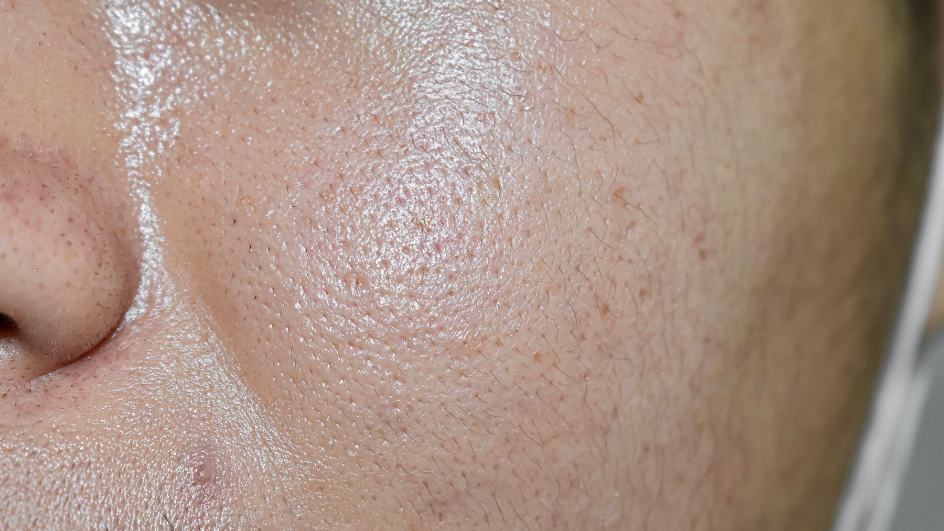
One of the earliest signs of acne-prone skin is seborrhea, which means excess sebum (oil) production. This happens when the sebaceous glands are overactive, producing more oil than the skin needs. The skin may look shiny, greasy, or thick, especially in areas like the forehead, nose, and chin (T-zone). This excess oil can mix with dead skin cells and block pores, setting the stage for acne.
Comedones (Clogged Pores)
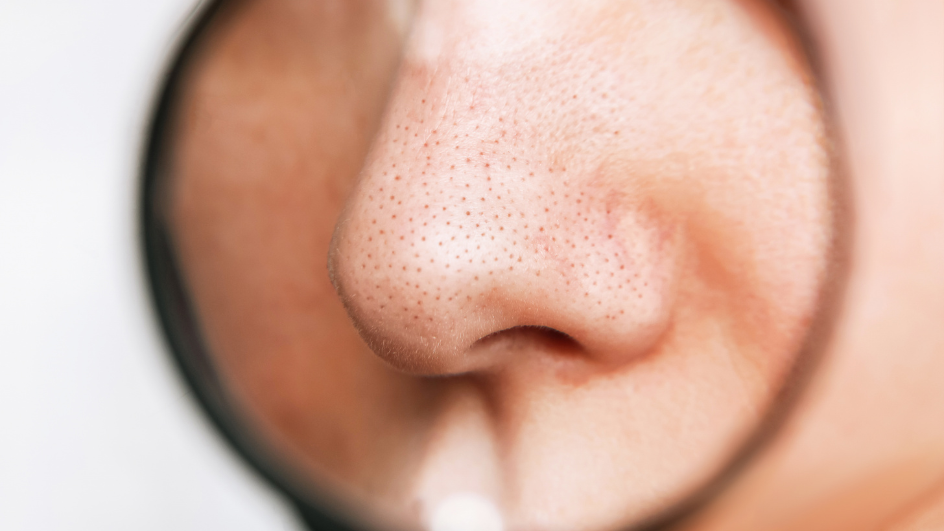
Comedones are non-inflammatory lesions that occur when pores become clogged with sebum and dead skin cells. They can be open (blackheads) or closed (whiteheads), depending on whether the pore is exposed to air.
Inflammatory Lesions
These are painful, red, and sometimes pus-filled pimples that occur when comedones become inflamed due to bacterial growth and an immune response.
Superficial Inflammatory Lesions
These include papules and pustules. They are often what people picture when they think of a “zit” and can be painful to the touch.
Deep Inflammatory Lesions
These lesions develop deeper in the skin and include nodules and cysts. Both can cause significant inflammation and are more likely to lead to permanent scaring if not properly treated..
How to Accompany your Acne-Prone Skin Based on Symptoms Severity?
Mild to Moderate
Etat Pur offers effective active ingredients for acne-prone skin. In the case of moderate acne, medical advice can be needed to find the appropriate skincare solution.
Salicylic Acid
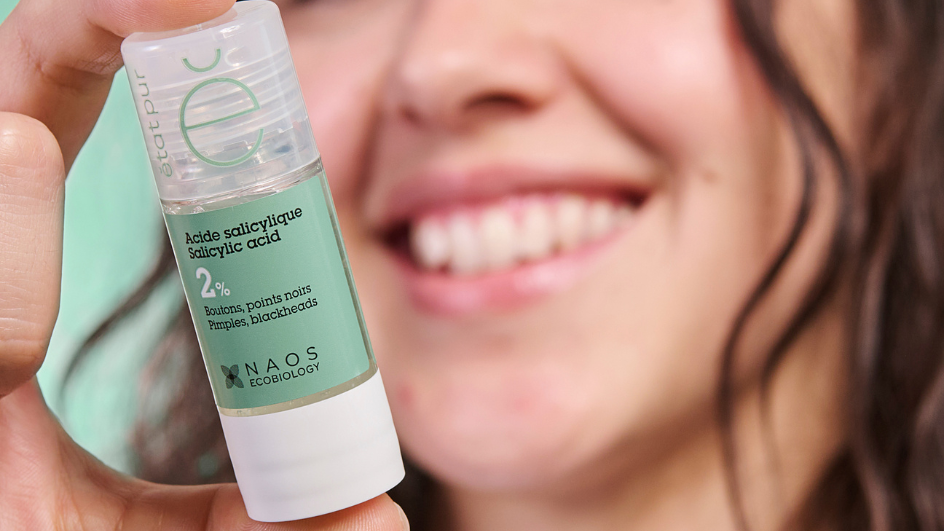
A key molecule to target pimples and blemishes by unclogging and tightening pores. The result? 87% reduced volume of pimples. Self-assessment: Clinical test under dermatological control on 30 volunteers for 28 days.
Propolis
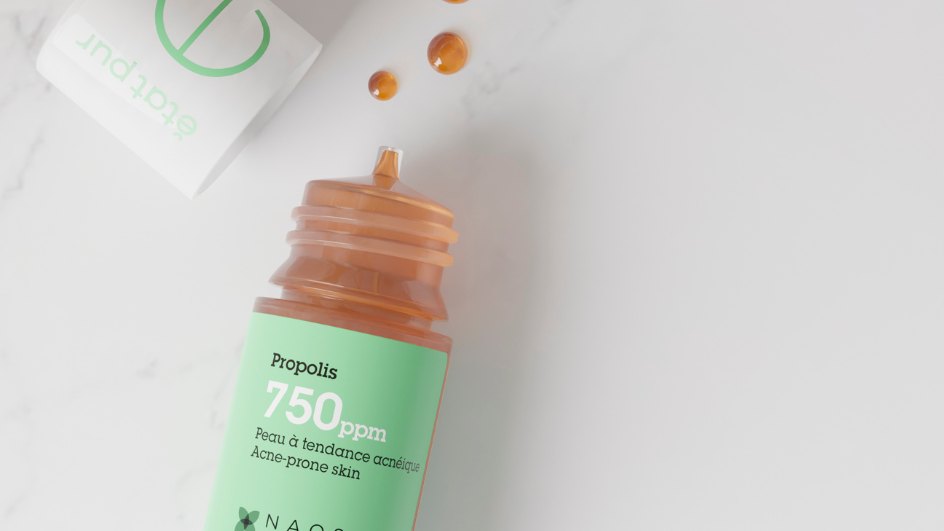
A natural beehive-derived extract, used in traditional and ancestral remedies for its purifying and soothing properties, helpful to reduce red pimples on acne prone skin. 85% clearer complexion based on self-assessment, clinical test under dermatological control on 20 volunteers for 28 days.
Succinic acid
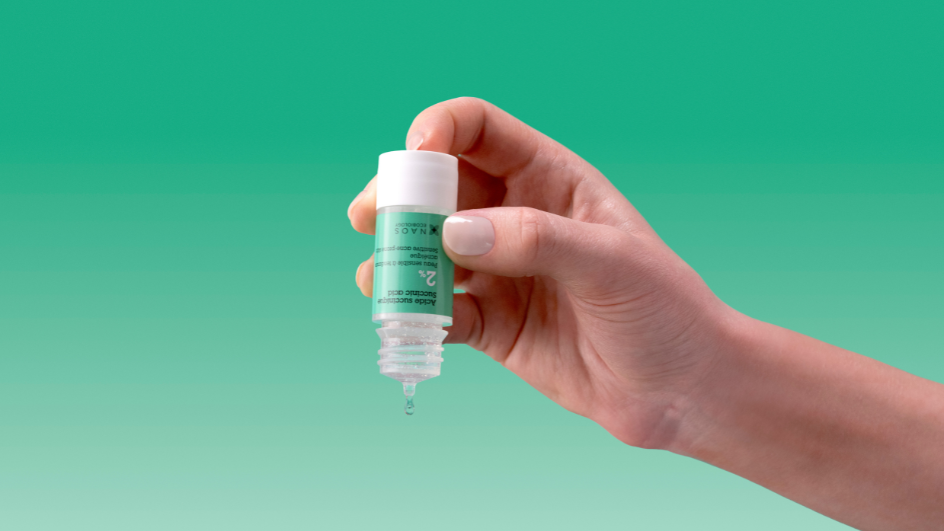
Succinic Acid 2% represents a new generation of blemish solution. This innovative biotechnological molecule is gaining recognition within the scientific community for its efficacy on blemishes. With a high-tolerance formula, it helps visibly reduce blemishes thanks to its purifying properties while respecting sensitive skin’s balance. It decreases the number and size of imperfections, reduces associated redness and soothes painful pimples. 87% reported the product reduced blemishes while remaining gentle on the skin - clinical study under dermatological control, 32 volunteers with sensitive acne-prone skin, 28 days.
Zinc Gluconate
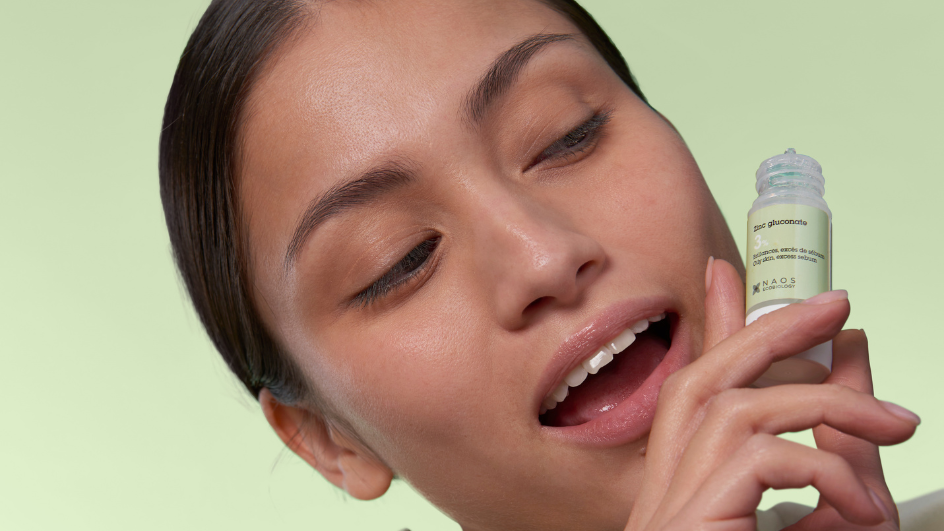
Ideal to target shiny areas and excess sebum, it helps regulate sebum, durably mattifies and clears the skin. The result, 79% shiny areas seem mattifed. Self-assessment: Clinical test under dermatological control on 19 volunteers for 28 days.
Severe to Very Severe
In these cases, a consultation with a healthcare professional is essential. Prescription medications like oral retinoids (e.g. isotretinoin) may be necessary. Consistent use is crucial to prevent scarring.
How to Prevent Acne lesions appearance?
While acne cannot always be completely avoided, especially when it has hormonal or genetic roots, certain daily habits and lifestyle adjustments can significantly reduce the risk and severity of breakouts. Prevention focuses on minimizing known triggers and supporting the skin’s natural balance.
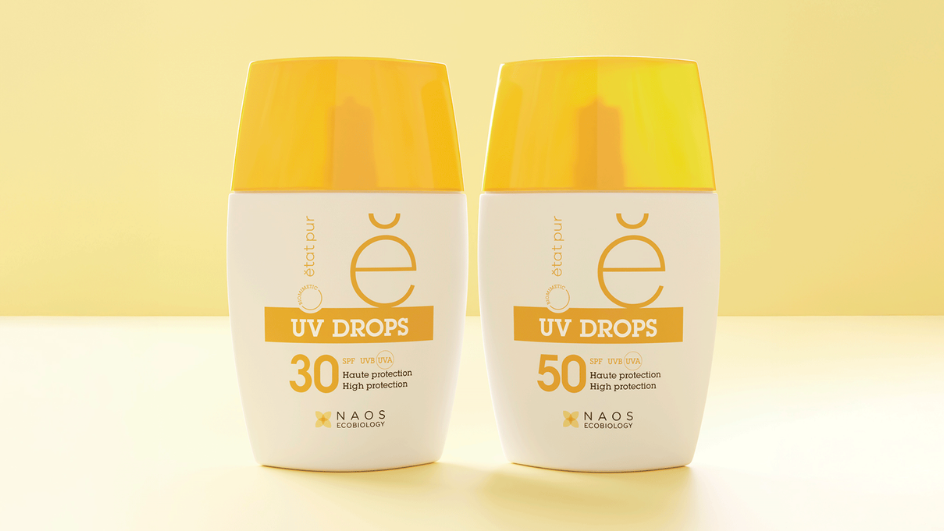
Sun Exposure
While the sun may temporarily dry out pimples, it often worsens acne long-term. UV rays can thicken the skin, clog pores, and increase inflammation. They can also darken post-acne marks. To protect your skin, use a non-comedogenic sunscreen.
Diet
Foods high in sugar and refined carbs (like pastries, sodas, and white bread) can increase sebum production and trigger breakouts. Some people also react to dairy, especially skim milk. A diet rich in whole foods, healthy fats (like omega-3s), and plenty of water may help support clearer skin.
Stress
Stress increases hormones like cortisol, which can boost oil production and lead to more breakouts. It may also lead to skin-picking, worsening acne and causing scars. Managing stress through sleep, exercise, and relaxation techniques can improve both your skin and overall health.
Conclusion
Acne is a complex skin condition that can affect people of all ages and take many different forms, from mild blackheads to severe cystic lesions. Understanding the causes, symptoms, and types of acne is the first step toward finding the right solution. Whether your acne is hormonal, inflammatory, or triggered by lifestyle factors, targeted skincare and healthy habits can make a real difference. And in more severe cases, professional guidance is essential. With the right approach, clearer, healthier skin is possible.